
20
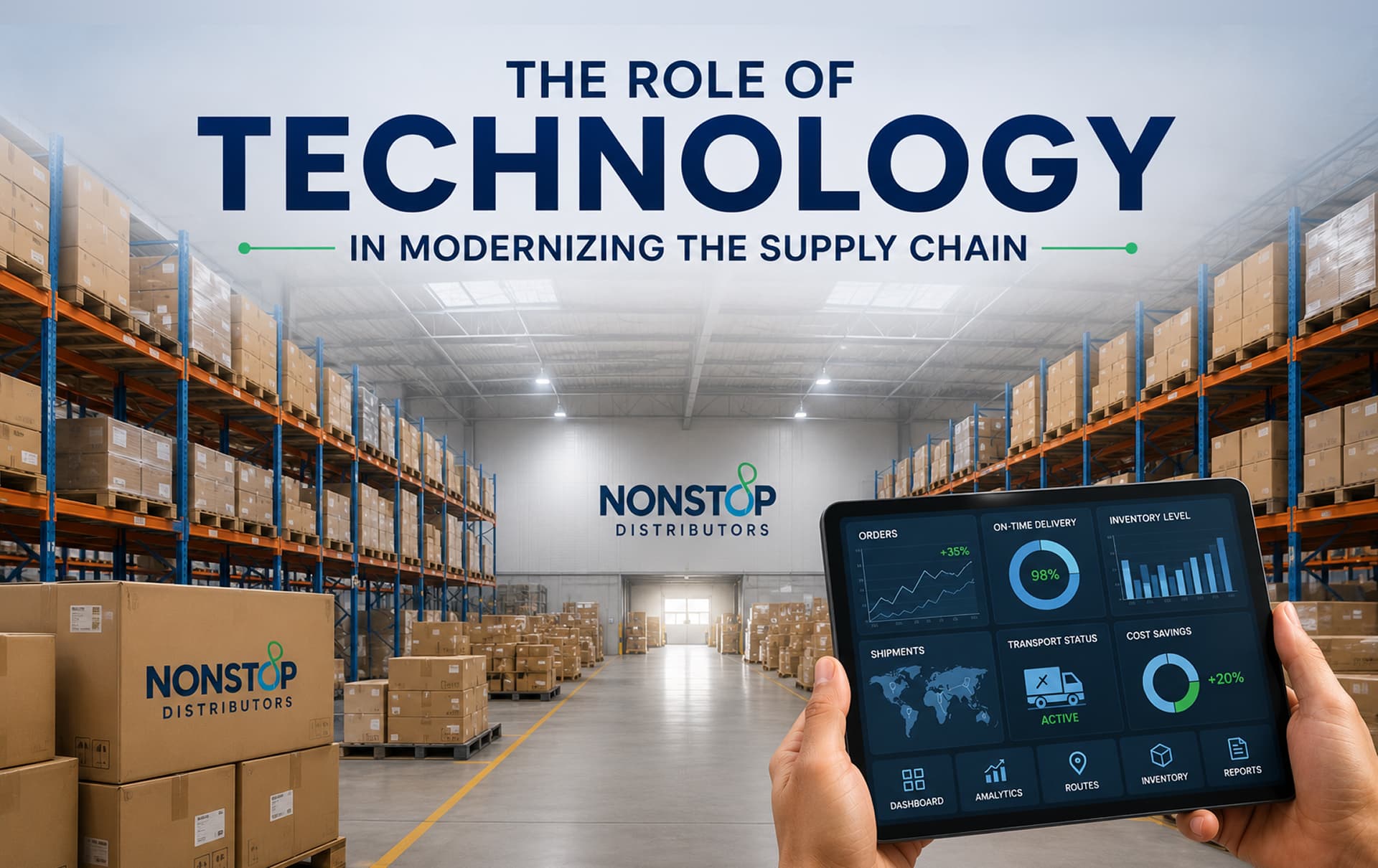
JulLet’s be honest: the old way of managing a supply chain, relying on frantic phone calls and "best guess" spreadsheets, is a recipe for disaster in 2026. Today, if you aren't leaning into Supply Chain Technology, you’re basically flying blind. It’s no longer about just moving boxes; it’s about building a data-driven ecosystem that can pivot when the world gets messy.
We’ve moved past the era where paperwork ruled the warehouse. Supply Chain Digitization has turned the entire process into a transparent, live map. When you digitize, you aren’t just "saving files"; you’re creating a setup where you can see a bottleneck forming before the truck even hits traffic.
This works hand-in-hand with Supply Chain Automation. We aren't just talking about robots; we're talking about smart systems that handle the boring, repetitive tasks, like inventory counting and order processing, so your team can focus on solving actual problems.
If you’re in FMCG Supply Chain Management, you know the pressure is different. You’re racing against expiry dates and razor-thin margins.
Think of Supply Chain Technology as the central nervous system of your business. It isn’t just a bunch of fancy software; it’s the tech that keeps you from flying blind. It’s the difference between knowing exactly where your stock is at 2:00 AM and spending your entire morning on the phone chasing down "lost" crates.
In a world that doesn't stop, this tech is what allows you to actually scale without the whole operation collapsing under its own weight.
We’ve all been there: relying on messy registers, WhatsApp pings, and "I think it’s in the warehouse" updates. Supply Chain Digitization is essentially the end of that chaos. It’s about taking those manual, prone-to-error processes and turning them into a live, breathing digital map.
When you move toward a digital-first setup, you aren't just "using computers", you’re gaining an edge. It means:
This is where Supply Chain Automation comes in. It’s about letting the systems handle the grunt work, like auto-generating invoices or tracking stock levels, so you and your team can focus on growth rather than paperwork.
Let’s be real: Amazon changed the game for everyone. Whether you're selling high-end electronics or daily essentials, customers have zero patience for "out of stock" or "delivery delayed" messages.
To keep up, FMCG Supply Chain Management has had to evolve past just moving boxes. You need systems that can predict a surge in demand before it happens. This is where Last Mile Delivery Technology becomes your best friend. It’s not just about a guy in a van; it’s about smart routing and real-time updates that stop your customers from wondering if their package vanished into thin air.
The bigger you get, the messier things become. You’ve got suppliers, warehouses, and dozens of middlemen. Without Supply Chain Digitization, your business has "black holes", stages where you have no clue what’s happening to your inventory.
By implementing Distributor Management Software, you finally turn the lights on. You can see exactly what your distributors are holding, what’s actually moving, and where the bottlenecks are. It turns a fragmented network into a single, cohesive team where everyone is looking at the same data.
If the last few years have taught us anything, it’s that "normal" is a myth. From global pandemics to sudden fuel price hikes, things will break. An agile business doesn't just survive these hits; it pivots.
Let’s be honest: the old way of running a supply chain, relying on frantic WhatsApp pings and "best guess" spreadsheets, is a recipe for a breakdown. In today's economy, if you aren't leaning into Supply Chain Technology, you’re basically flying blind. It’s no longer about just moving boxes from point A to B; it’s about building a system that doesn't collapse when a truck gets stuck or a distributor goes quiet.
If you’re growing, your network is getting messy. You’ve got warehouses, middlemen, and retailers who all have their own way of doing things. Without Supply Chain Digitization, you have massive "black holes" in your business.
It’s not just about "computers." It’s about tools that actually give you your time back.
In the FMCG world, "slow" is just another word for "dead." You’re dealing with products that have an expiry date and customers who have zero loyalty if your competitor’s product is the only one on the shelf.
The real magic happens when you stop guessing and start seeing. By shifting toward Supply Chain Digitization, you’re basically building a bridge between your warehouse and the local shop around the corner. You get to see:
When we talk about "benefits," we’re really talking about your sanity and your bottom line. Here’s what it looks like when Supply Chain Technology actually works for you:
We talk about Supply Chain Digitization like you just flip a switch and suddenly everything is transparent. In reality, it’s a grind. You aren't just installing software; you’re fighting years of "this is how we’ve always done it."
The goal of Supply Chain Automation isn't to replace the human touch, it’s to protect it. It takes the "grunt work" off your plate so you can focus on the "soul" of your business, the storytelling, the strategy, and the relationships.
At the end of the day, the companies leading the pack in 2026 aren't the ones with the most expensive products; they’re the ones with the smartest systems. By embracing these tools, you aren't just "fixing" a warehouse; you’re building a resilient, agile engine that can handle whatever the economy throws at it.
It’s the digital "brain" of your business. It includes the software and hardware, like Supply Chain Automation and tracking tools, that stop you from losing track of your products and your profits.
Not at all. Whether you’re a local brand or a global giant, moving away from manual paperwork to digital systems is the only way to scale without your operations turning into a chaotic mess.
In FMCG Supply Chain Management, speed is everything. Tech helps you track expiry dates, manage high volumes, and use Distributor Management Software to see exactly what’s sitting on retail shelves in real-time.
The "last mile" is the final trip to the customer's door. Last Mile Delivery Technology uses smart routing to make sure this stage is fast and cheap, which is usually where most businesses lose the most money.
Yes. By using Supply Chain Visibility Tools, you get a live "command center" view of your inventory. No more guessing where a truck is, you see the data the second it updates.
Rahul Nandanwar
LinkedInRahul Nandanwar is the Co-founder of Nonstop Distributors, a premier FMCG distribution network servicing Nagpur and its surrounding districts. Leveraging years of corporate experience in territory sales and marketing with global brands, Rahul drives the strategic growth and operational excellence of Nonstop Distributors. He is passionate about optimizing supply chains, forging strong retail partnerships, and sharing industry insights.